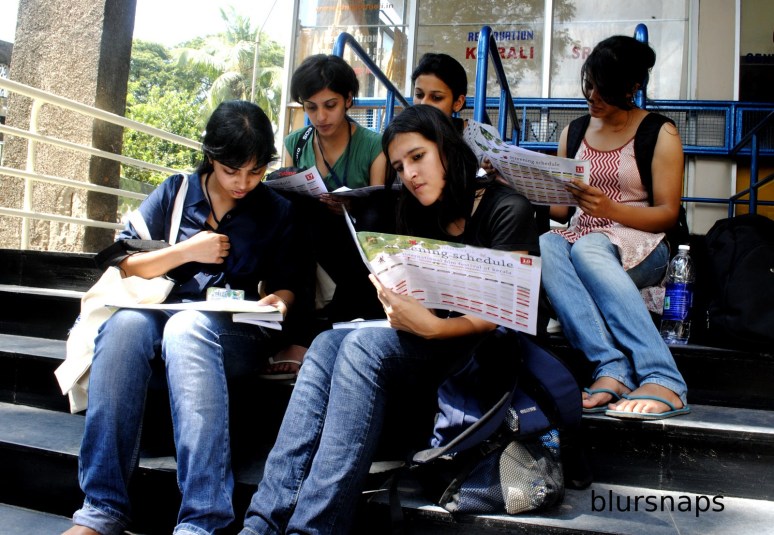
ചലച്ചിത്രോത്സവം: ആളെക്കൂട്ടി ജനാധിപത്യം തെളിയിക്കലാണോ വിജയം…?


“അടൂരിനേയും ചലച്ചിത്രോത്സവ സംഘാടക സമിതി രൂപകല്‍പ്പനയേയും വിമര്‍ശിച്ചോളൂ, ജനാധിപത്യപരമായി അതെല്ലാം നല്ല മാറ്റങ്ങള്‍ക്ക് വഴിതുറക്കും. അതിനെല്ലാം മുമ്പ് ഒരു സ്വയംവിമര്‍ശനം എന്തുകൊണ്ടും നല്ലതാണ്. അടിസ്ഥാനവുമില്ലാത്ത അവകാശവാദങ്ങളുടെമേല്‍ ഒരു ഹിതപരിശോധനയും.”

– മുരളി മാര്‍ഗശ്ശേരി

കേരളത്തില്‍ നടക്കാനിരിക്കുന്ന അന്താരാഷ്ട്ര ചലച്ചിത്രോത്സവവുമായി ബന്ധപ്പെട്ട് പ്രശസ്ത സംവിധായകന്‍ അടൂര്‍ ഗോപാലകൃഷണ്‍ നടത്തിയ പരാമര്‍ശത്തിലെ ഉള്ളടക്കത്തിലെ കുറച്ച് വാക്കുകളില്‍ തൂങ്ങി വിവാദങ്ങള്‍ സൃഷ്ടിക്കുന്ന തരത്തിലേക്ക് നാം താഴ്ന്നു പോകരുത്. ഫാസിസം എന്ന് വരെ വിശേഷിപ്പിക്കപ്പിച്ച് കാര്യങ്ങളെ ഗുലുമാലാക്കുന്നത് ചിലരുമുണ്ട്. ഡോ. ബിജു, ബി. ഉണ്ണികൃഷ്ണന്‍ തുടങ്ങി സിനിമാരംഗത്ത് പ്രവര്‍ത്തിക്കുന്നവരും അല്ലാത്തവരുമായ ആളുകളുടെ പ്രതികരണങ്ങള്‍ മുഖവിലക്കെടുക്കുമ്പോഴും നമ്മള്‍ സ്വയം ചോദിക്കേണ്ട ചോദ്യമുണ്ട് ആളെക്കൂട്ടി ജനാധിപത്യം പ്രസംഗിച്ച് ചലച്ചിത്രമേളകള്‍ സംഘടിപ്പിച്ച് ഇക്കാലം കൊണ്ട് നമ്മളെന്തുനേടി.? അടൂരിന്റെ പ്രസ്താവനയിലെ ഇംഗ്ലീഷ് അറിയാവുന്നവര്‍ വന്നാല്‍ മതി എന്ന ഭാഗത്തെ മാത്രം സ്വീകരിച്ച് വിമര്‍ശിക്കുന്നതില്‍ അര്‍ത്ഥമില്ല. എല്ലാ മലയാളിയേയും മാധ്യമപ്രവര്‍ത്തകരാക്കുന്ന സംരംഭങ്ങള്‍ ആരംഭിച്ചത് മുതലാണോ… നമ്മള്‍ മാധ്യമപ്രവര്‍ത്തകരെപ്പോലെ നമുക്കാവശ്യമുള്ള ഭാഗങ്ങള്‍ സ്വീകരിച്ച് അതിനെക്കുറിച്ച് സംസാരിച്ചാല്‍ മതി എന്ന് വെച്ചത്..?

സിനിമ മിക്കപ്പോഴും ദൃശ്യങ്ങള്‍കൊണ്ടും സാങ്കേതികത്വം കൊണ്ടും സംസാരിക്കുന്ന ആധുനിക-ജനപ്രിയ കലയാണ് എന്ന് നമുക്കെല്ലാവര്‍ക്കും തോന്നിയിട്ടുണ്ടാകും – സംഭാഷണങ്ങളും പശ്ചാത്തല സംഗീതവും തങ്ങളുടെ സിനിമകളില്‍ ആലങ്കാരികമാണെന്ന് തെളിയിച്ച് സംവിധായകരുണ്ട്. കിംകി ഡൂക്, കപ്പളനോങ്‌ളു, നൂറി ബില്‍ജി സെയ്‌ലാന്‍ തുടങ്ങി ഒട്ടനവധി പേര്‍. സിനിമയെ എല്ലാവരും അതുപോലെ കൈകാര്യം ചെയ്യണമെന്ന് ആവശ്യപ്പെടാന്‍ സാധ്യമല്ലല്ലോ. ബെലാ താര്‍, തര്‍ക്കോവസ്കി, കുറോസോവ, ഹിറ്റച്‌കോക്ക്, ആന്ദ്രേ സ്യാഗ്നിസ്‌റ്റേവ്, ഫാസ്ബിന്ദര്‍, ഹെസ്‌ഹോഗ്, വിറ്റോറിയോ ഡി സിക്ക, ഋതു പര്‍ണഘോഷ്, ഐസന്‍സ്‌റ്റൈന്‍, ചാപ്ലിന്‍ ഇവരെല്ലാം വിവിധ സാധ്യതകളെ മുന്‍നിറുത്തി ആശയം മറ്റുള്ളവരിലേക്കെത്തിക്കാന്‍ എക്കാലത്തും ശ്രമിച്ചവരും വിജയിച്ചവരുമാണ്‌. ഒരു മനുഷ്യജീവിതത്തിന്റെ സാമൂഹിക വൈകാരികാവസ്ഥകള്‍ ചിത്രീകരിക്കാന്‍ ദൃശ്യത്തോടൊപ്പം സംഭാഷണവും സ്വാഭാവിക-കൃത്രിമ ശബ്ദവും ആവശ്യമായി വരുന്ന ഘട്ടങ്ങളില്‍ സംവിധായകര്‍ അത് സ്വീകരിക്കുക പതിവാണല്ലോ. ഉദാഹരണത്തിന് മികച്ച് നിശബ്ദ സിനിമകളും നിര്‍മ്മിച്ച ചാപ്ലിന്‍ ‘ദ ഗ്രേറ്റ് ഡിക്ടറ്റേറ്റര്‍’  എന്ന സിനിമ സംഭാഷണത്തോടെയല്ലേ നിര്‍മ്മിച്ചത്, ലോകം രാഷ്ട്രീയമായും ആശയപരമായും രണ്ട് ധ്രുവങ്ങളില്‍ നിന്ന് കൊമ്പ്കോര്‍ക്കുന്ന കാലഘട്ടത്തില്‍ ചാപ്ലിന് തന്‍റെ ആശയം മുന്നോട്ട് വെയ്ക്കാന്‍ ശബ്ദം കൂടി ഉപയോഗിക്കാന്‍ തോന്നിയിരിക്കണം – പ്രസ്തുത സിനിമയുടെ അവസാനഘട്ടത്തില്‍ ചാപ്ലിന്റെ കഥാപാത്രം കാണികളോടും ലോകത്തോടും സംസാരിക്കുന്ന വിഷയങ്ങള്‍ ഇംഗ്ലീഷ് ഭാഷ ഒട്ടും മനസ്സിലാകാത്ത ഒരാള്‍ക്കും ദഹിക്കണമെന്നില്ല. ആ  സിനിമയുടെ ആത്മാവും നമ്മളിലേക്കെത്തുമെന്നും പ്രതീക്ഷിക്കാനാകില്ല. ഹിറ്റ്ച്കോക്ക് സിനിമ ഭാഷ മനസിലാക്കാതെ നമ്മള്‍ കണ്ടാല്‍ എങ്ങനെയിരിക്കും. ഒട്ടനവധി സംഭാഷണങ്ങള്‍ സിനിമയില്‍ കൈകാര്യം ചെയ്യുന്ന സംവിധായകരാണ് ഋതു പര്‍ണഘോഷ്, ഗിരീഷ് കസറവള്ളി – അങ്ങനെ നോക്കിയാല്‍ ഈ രാജ്യത്ത് തന്നെ നിര്‍മ്മിക്കുന്ന പല സിനിമകളും സബ്ടൈറ്റില്‍ വായിക്കാതെ മനസ്സിലാക്കാന്‍ നമുക്ക് കഴിയാറില്ല – ശെല്‍വരാഘവന്റെ ‘ആയിരത്തിലൊരുവന്‍’ സംഭാഷണം മനസിലാകാന്‍ ചോളസാമ്രാജ്യ കാലഘട്ടത്തിലെ തമിഴ് പഠിക്കാന്‍ നമ്മളാരും പോകില്ല – ഇവിടെയെല്ലാം യൂണിവേഴ്‌സല്‍ ഭാഷയുടെ പ്രസക്തി ശ്രദ്ധിക്കേണ്ടത് തന്നെയാണ്. അടൂര്‍ ലോകസിനിമയെക്കുറിച്ചും സിനിമാ സംസ്‌കാരങ്ങളെക്കുറിച്ചും ആസ്വാദന സംസ്‌കാരങ്ങളെക്കുറിച്ചും മനസിലാക്കാത്ത ആളല്ല എന്ന കാര്യത്തില്‍ ആര്‍ക്കും തര്‍ക്കമുണ്ടാകില്ലല്ലോ. അപ്പോള്‍ അദ്ദേഹം പറയുന്ന വിഷയത്തേയും ആ വീക്ഷണകോണില്‍ നിന്ന് കാണാന്‍ നാം ശ്രമിക്കണം – അത് കേവലം ഭാഷാ നൈപുണ്യത്തെക്കുറിച്ചല്ല – മാത്രമല്ല അദ്ദേഹത്തിന്‍റെ വാക്കുകളത്രയും വളച്ചൊടിക്കപ്പെട്ടെന്ന് അദ്ദേഹം പറയുകയും ചെയ്തു. ഇത്രയും കാലംകൊണ്ട്  സാംസ്കാരിക കേരളം നെഞ്ചേറ്റിക്കൊണ്ട് നടന്ന ചലച്ചിത്രോത്സവം നല്ല ആസ്വാദന സംസ്‌കാരം ഉണ്ടാക്കി തന്നിട്ടില്ല എന്നുറപ്പല്ലേ? ഇല്ലെങ്കില്‍ തിയേറ്ററിനകത്ത് സിനിമകാണാന്‍ കയറിയാല്‍ ഒച്ചപ്പാടും കൂവലും കേട്ട് സിനിമകണ്ടിറങ്ങേണ്ട ഗതികേട് മേളയ്ക്ക് വരുന്ന വലിയൊരുവിഭാഗം സിനിമപ്രേമിക്കും അഭിമുഖീകരിക്കേണ്ടി വരില്ലല്ലോ. കഴിഞ്ഞ ഒരു ദശാബ്ദമായി മേളയില്‍ വരുന്ന ഒരു സിനിമാ പ്രേക്ഷകന്‍ വളരെ വിഷമത്തോടെ കഴിഞ്ഞ ചലച്ചിത്രമേളയില്‍ നിന്നും സിനിമകാണാന്‍ കഴിയാതെ ഇറങ്ങിപ്പോന്ന അവസ്ഥ വിവരിക്കുന്നത് കേട്ടിട്ടുണ്ട്. 2010 ല്‍ ശ്യാമപ്രസാദിന്റെ ‘ഇലക്ട്ര’ എന്ന ചിത്രം കാണാനായി തിക്കും തിരക്കും കൂട്ടി, തിയേറ്ററിന്‍റെ വാതിലുകളും ചില്ലുകളും തച്ചുടച്ചപ്പോഴും സിനിമ കാണാന്‍ വഴിയില്‍ കാത്തിരുന്ന മറ്റ് പ്രേക്ഷകരേയോ ജനാധിപത്യമൂല്യങ്ങളെക്കുറിച്ചോ വേവലാതിപ്പെട്ട എത്രപേരുണ്ടായിരുന്നു.?
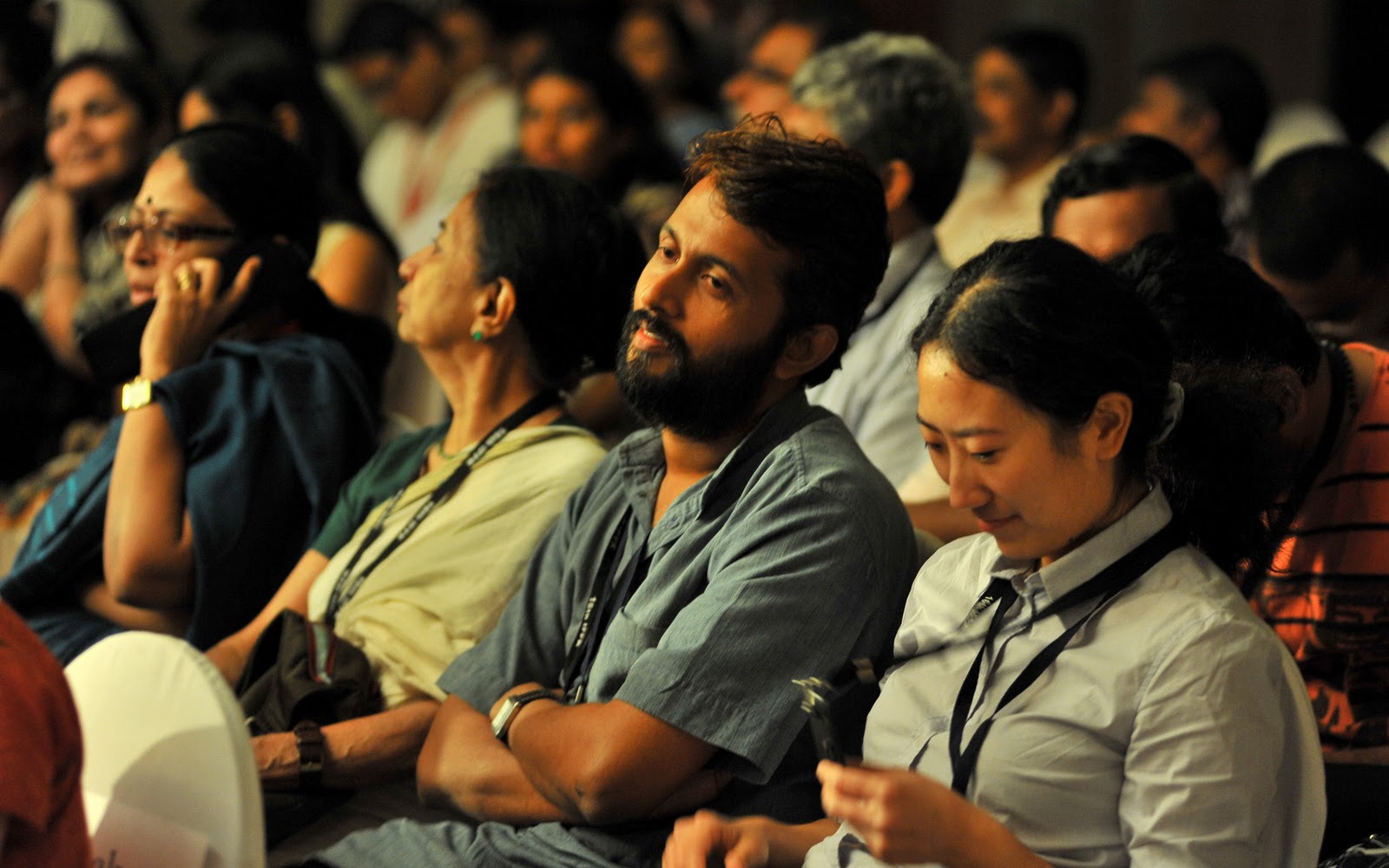
സിനിമ മനസിലാകാനോ ഉള്‍ക്കൊള്ളാനോ കഴിയാത്ത പക്ഷം മറ്റുള്ളവരെ ശല്യം ചെയ്യാതെ എഴുന്നേറ്റ് പോകണമെന്ന് മാനസികാവസ്ഥ കാണിക്കാന്‍ തയ്യാറല്ലാത്ത ഒരു ന്യുനപക്ഷം മേളയെ ഭരിക്കുന്നു. കയ്യിലൊരു സ്മാര്‍ട്‌ഫോണും വെച്ച് – സംസാരിച്ചിരിക്കുകയും ബഹളം വെയ്ക്കുകയും ചെയ്യുന്ന ആസ്വാദന സ്വഭാവം ശീലമാക്കിയെടുത്തവരാണിവര്‍. പിന്നെ ഈ പറയുന്ന സിനിമാ പ്രണയമൊന്നും വര്‍ഷത്തിലെ ഏഴു ദിവസത്തിനപ്പുറം കാണാറില്ല – ചലച്ചിത്രോത്സവത്തില്‍ കിംകി ഡുക്, അതു കഴിഞ്ഞാല്‍ ശരാശരി മോഹന്‍ലാല്‍ അഥവാ മമ്മുട്ടി സിനിമകള്‍ ഇത്രയുമായി കാര്യങ്ങള്‍ മാറുകയാണെങ്കില്‍ എന്തിനാണ് ആളെക്കൂട്ടി ചലച്ചിത്രോത്സവം നടത്തുന്നത്. ‘ബാറ്റില്‍ ഷിപ്പ് പൊട്ടെംകിന്‍’ ഒരു മൂവ്‌മെന്റിന്റെ ഭാഗമായിരുന്നു – കേരളത്തില്‍ അത്തരത്തില്‍ എത്ര സിനിമകള്‍ സംഭവിക്കുന്നു..? ദളിത് കാഴ്ചപ്പാടില്‍ ചര്‍ച്ചചെയ്ത സിനിമ സെന്‍സര്‍ ബോര്‍ഡ് കത്തിവെച്ചപ്പോള്‍ അത് കാണണമെന്ന് ആരും വാശിപിടിച്ചില്ല. ‘സ്വപാനം’ എന്ന സിനിമ മൂന്ന് ദിവസം പോലും കേരളത്തിലെ തിയേറ്ററുകളില്‍ പ്രദര്‍ശിപ്പിച്ചിരുന്നില്ല. അതെന്തായാലും സംവിധായകനോ മറ്റണിയറ പ്രവര്‍ത്തകര്‍ക്കോ താത്പര്യമില്ലാത്തത് കൊണ്ടായിരുന്നില്ല. റിലീസിംഗ് ദിവസം സിനിമ കണ്ട ഒരു തിയേറ്ററില്‍ മുപ്പത് പേരുപോലുമുണ്ടായിരുന്നില്ല. അതിലെ പകുതി കാണികള്‍ ഇടവേളയ്ക്ക് ശേഷം അവിടെയിരുന്നില്ല. നമ്മുടെ സിനിമാ ആസ്വാദന സംസ്‌കാരത്തോട് വളരെ ബഹുമാനം തോന്നുന്ന ചില ഉദാഹരണങ്ങളാണിവ. പിന്നെ സിനിമ കാണിക്കാനല്ല ഫിലിംഫെസ്റ്റിവെല്‍ – അങ്ങനെയൊരുദ്ദേശമാണ് വേണ്ടതെങ്കില്‍ ഫെസ്റ്റിവെല്‍ നിര്‍ത്തി യൂടൂബും ടോറന്റും സമഗ്രമാക്കിയാല്‍ മതി. അതിനിടെ കുറച്ച് പേര്‍ കേരളത്തിലെ സിനിമാസ്വാദന മികവിനെ ഉയര്‍ത്തിപ്പിടിച്ച്‌ അവതാര്‍, ടൈറ്റാനിക് സിനിമയുടെ വിജയം ചര്‍ച്ച ചെയ്തു. ‘അവതാര്‍’ മുന്നോട്ട് വെക്കുന്ന ആശയം യഥാര്‍ത്ഥത്തില്‍ നമ്മുടെ പ്രേക്ഷകരില് തന്നെ പലരും സ്വീകരിച്ചിട്ടില്ലെന്നതും ഒരു ആനിമല്‍ പ്ലാനറ്റ് ഇന്‍ഫോടെയിന്മെന്റ്‌പ്രോഗ്രാം പോലെ നമ്മളത് കണ്ട് ഒഴിവാക്കിയെന്നതും തിരിച്ചറിയണം. ‘ടൈറ്റാനികും ജുറാസിക് പാര്‍ക്കും, ടെര്‍മിനേറ്ററും’ വ്യത്യസ്തത പുലര്‍ത്തി – നന്നായി മാര്‍ക്കറ്റ് ചെയ്ത് നമ്മളില്‍ നിന്ന് പണം അപഹരിച്ചു എന്നല്ലാതെ ഒരു ചുക്കും നമുക്ക് തന്നിട്ടില്ല. മാത്രമല്ല ആ സിനിമ പറഞ്ഞുവെയ്ക്കുന്ന രാഷ്ട്രീയത്തിന്റെ അപകട സാധ്യതപോലും നാം മനസ്സിലാക്കിയില്ല. സിനിമയും അത് മുന്നോട്ട് വെയ്ക്കുന്ന രാഷ്ട്രീയവും, സാമൂഹികവുമായ വിഷയങ്ങള്‍ പ്രേക്ഷകസമൂഹം ചര്‍ച്ചചെയ്യുമ്പോഴും – ആ സിനിമകളില്‍ ദൃശ്യവത്കരിച്ച സംസ്‌കാരം മനസ്സിലാകുമ്പോഴും – വേറിട്ട സിനിമാ പരിശ്രമങ്ങള്‍ക്ക് നമ്മുടെ സമാന്തര സിനിമാ മേഖലയും സനിമാ-വ്യവസായ മേഖലയും സാക്ഷ്യം വഹിക്കുമ്പോഴും – സ്റ്റാര്‍ പദവികളിലും സ്റ്റാര്‍ അഭാവത്തിലും പെട്ട് നമ്മുടെ നല്ല സിനിമകള്‍ എങ്ങുമെത്താതിരിക്കുന്ന അവസ്ഥ ഇല്ലാതാകുമ്പോഴും ഈ ചലച്ചിത്രോത്സവങ്ങള്‍ എല്ലാം തന്നെ വിജയിക്കുന്നു – അല്ലാത്തപക്ഷം അത് സമ്പൂര്‍ണ്ണ പരാജയം തന്നെയാണ്. അടൂരിനേയും ചലച്ചിത്രോത്സവ സംഘാടക സമിതി രൂപകല്‍പ്പനയേയും വിമര്‍ശിച്ചോളൂ, ജനാധിപത്യപരമായി അതെല്ലാം നല്ല മാറ്റങ്ങള്‍ക്ക് വഴിതുറക്കും. അതിനെല്ലാം മുമ്പ് ഒരു സ്വയംവിമര്‍ശനം എന്തുകൊണ്ടും നല്ലതാണ്. ഒരടിസ്ഥാനവുമില്ലാത്ത അവകാശവാദങ്ങളിലൂടെ ഒരു ഹിതപരിശോധനയും.

[eMailID: muralimargassery@hotmail.com]
Man-nature conflict, with an additional warning

Diversification as well as insertion of social values into themes, furnishes the classy outlook to all released assignments of MT Vasudevan Nair – Hariharan team in Malayalam film industry. Their films always obtain immense attention among the viewers and co-film makers even the neighbor film circles since the ‘Golder-era’ of Malayalam cinema (1980 – 90). Panjagni, Oru Vadakkan Veeragatha, Parinayam, Amritam Gamaya are some of their notable outcomes.
Pazhassiraja was the one movie got fair attention from the viewers but less feedback from the ‘box office’ (according to the industry dialogue).
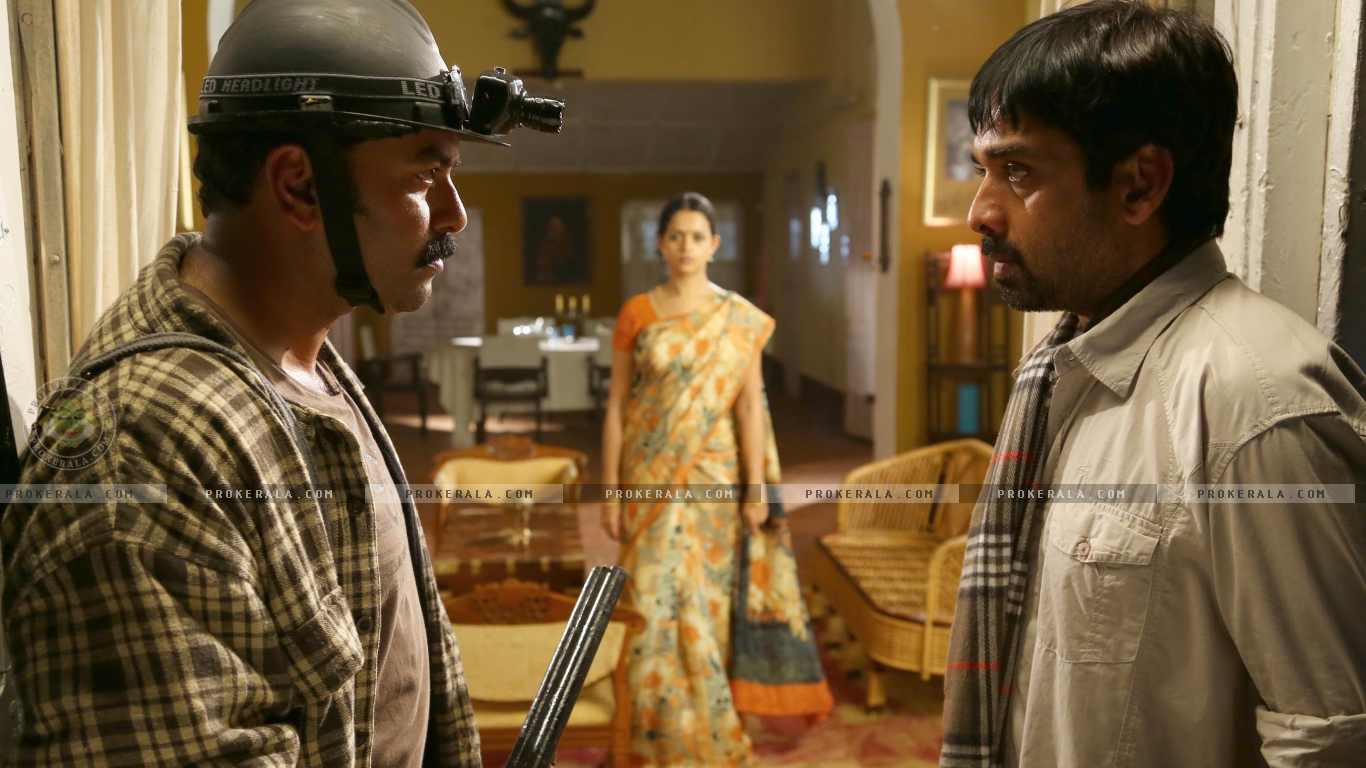
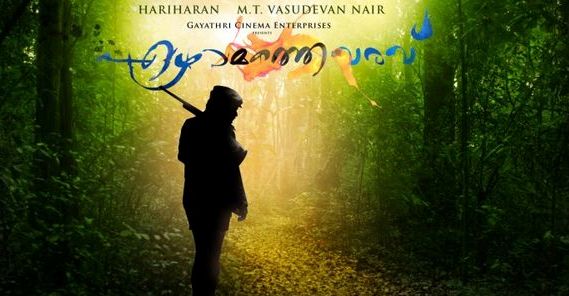
Let’s talk about their recent work, EZHAMATHE VARAVU releaEzhamathe-Varavu-Movie-wallpapers-02sed few days back; Just after few hours of watching the movie, I wish to state “The movie tells about the man-nature conflict and it warns at the end, the reaction of nature may become a beating over the territory, which keeps the things down inside the soil forever.”
Movie begins with the ‘top-angle static shot’ of a water pond and it trembles by the entry of an unknown. The unknown will be recognized by now by its roaring. Here the camera moves unbalanced into the deep rain-forest and it ends by a ‘circle pan’ shot. Now the viewer would get the clear idea about the geographical location of the story. The movie ends with a ‘circle pan’ shot and there is a message OR meaning OR advice is being given by the story teller as well as film maker.
Story line: Dr. Prasad (Vineeth), an archeologist arrives to Waynad woods to dig and unearth the available deposits of Chera Kingdom, which might relay under the soil since a thousand year. He meets Gopinath (Indrajith) a wealthy planter of the region and his wife (Bhanu). Nagu works as the guard of an estate bungalow and his daughter Mala jointly helps Dr. Prasad to gain the comfortable accommodation at bungalow owned by planter Gopinath.
    Dr. Prasad digs and finds new evidence to substantiate the existence of the Chera dynasty. He ensures somewhat pleasure at the lap of the forest and grip to its love of musical symphony. The inhabitants, their life, art and beliefs slightly enter into the lonely life of the young man. The story gets a new phase when a Nari (tiger) visits the settlement of inhabitants and seizes women in continues days. The conflict of the story begins here till the death of _______ (What? that I could not reveal right now here, because I want you to rush into the theatre to watch).
 bhavana-indrajith-and-vineeth-stills-15912

_____________________________________________

Man-nature conflict has been discussing through the movies, stories, drama and other form of arts but it never reduce the value or need of another talk. The tiger had been a symbol of a rigid reaction of nature against of human or his acts. How the fear accumulates to the eyes of human after facing cruelty is excellently drafted in the scenes of the movie. In the movie, the tiger targets only women, what it means to us. “Women is the idol of reproductive system,” Right? In India, we tie all the reproductive matter/objects/stuffs into the women name. Here we could really fetch the essence of values combined with the movie.
The ‘Adivasis’ of the forest believes that the tiger is the ghost of an old man and it stops hunting the women only at the number ‘7’. The hunting of women by the wild continued every day in various instances. One may happen at mid night, the next would be at twilight. The hunting reaches to ‘6’ people keeps away from the forest due to fear of life, but some of them seriously waiting for the tiger’s 7th arrival (EZHAMATHE VARAVU). Who are they? (Now you can’t move away without watching the climax).
This movie was adopted from an unreleased movie ‘EVIDEYO ORU SHTHRU’ by the same creators, but did not release that day by un-luck. Since it is an old story, everybody think there might be a romance. Yes, it is there, but I wontedly skip it from writing for no reason.
In my personal opinion it is a wonderful movie, must be watched by everyone.
Regards,
Murali Margassery

War and Peace, Which one you will opt?

Image
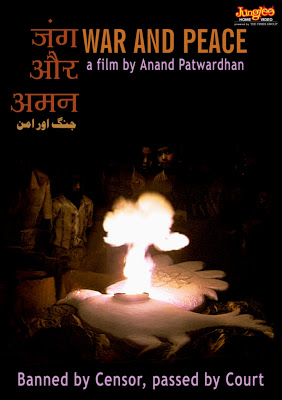
‘War and Peace’, for me it was not just a documentary film, instead it acted as a podium for an non-ending discussion beyond the boundary of culture, language, class, sex and it could cross all the geographical restrictions also. ‘War and Peace’ had done by ‘Anand Patwardhan’, the famous documentary film maker of India. He became the creator of a set of sensational documentary films. Ram ke naam (in the name of god), Jai Bheem comrade are few among them.
Watching a documentary is entirely different for an individual viewer and community audiences while comparing to Films. The major difference between these two is ‘real content and artificial content’. In a cinema the film maker do an effective homework to make things available in his frames, none of the object will be allowed to float inside the frames without his / her permission! But in the documentary film making the whole idea is different, every single incident or an object, if it has got a serious face then it will definitely captured in the camera, also keeps as an essential tool in the sensible documentary film making. Anand Patwardhan is the very gifted documentary film maker in that sense. He use all the small pieces of the visuals efficiently in his films (own perception of the writer).
‘War and Peace’ starts with the narration of an incident took place in 1948, which was ‘Gandhiji’s Assassination’. The director narrated himself since the very beginning. He made The relation between the visuals, voiceover and his stand is clear in the docu in the beginning itself, he starts “Gandhiji was assassinated two years before I was born, and the grief of this moment never really went away, unconsciously transmitted through the love of parents and family, that our family like Nathuram Godse and his co assassins were upper caste Hindus cured me forever of any narrow understanding of nation.” Hindu nationalist organizations like Rashtriya Swayam Sevak Sangh were banned soon after the incident took place, because Godse was nested in RSS’. The visuals played above the voice over, ‘Gandhiji’s body takes into the flames, ‘Agni’ received with the presence of the enormous crowd’ , as a very normal viewer felt a crucial pain inside the heart while watching it.
Gandhi was a man, who kept try to pour the peace and happiness throughout his life into the lives of the common men of this nation, and sacrificed his whole life for the same. Nobody expected his life will reach to an end by the mainstream Hindu violence;
The documentary takes diversion from here. It starts explaining about the nuclear bomb attack of US in Nagasakki and Hiroshima.
–      Just after the World War – II, most of the countries started believing that they will be powerful only if they clutch nuclear bombs in their lap, This thought guided Ruling Congress govt in 1974 and the BJP govt in 1998 to push India to the chair of ‘nation  with nuclear power’ (Pramod Mahajan’s speech elaborates about this in the documentary late r)
The documentary discuss about India’s first step to become the nuclear power nation. In 18 May 1974, the day of Buddha Jayati, India’s autocratic ruler as well as Prime Minister Smt. Indira Gandhi took an initiative of the nuclear detonation in Pokhran (Pokhran I). The responsibility of detonation is handled by the Indian Army in their test range. The ruling BJP govt made 2nd initiative for detonation in the same place as Pokhran II — Cylindrical Underground Nuclear bomb, both of these parties leaders never forget the contribution of Dr. Raja Ramana, a nuclear scientist for setting up something like this confidentially as a leader.
India done the Pokhran II experiment on 13 May 1998 and Prime Minister AB Vajpayee’s state level announcement followed “greatly successful and India become the full-fledged nuclear state”, there were agitations begun inside and outside the country. India was not serious about the nuclear strength till the end of India-Pakistan war – 1971. Earlier there were discussions initiated by the Prime Minister Jawaharlal Nehru with USSR, but it could ever reach the target till 1974. The sad part is that the first experiment mission they have conducted on the date of Buddha Jayanti and named the secret mission as “Smile of Buddha,” Buddha was the person who brought the people into the light of peace and purity, how can Buddha able to smile if his people believes that the strength is something related to the nuclear power.? Who gave the permission for them to use fame of a Historical / Religious figure for such an idiotic action?
The oligarchy may controlled by the Congress family but not this biggest nation’s culture and people. The term usage has become controversial and protests arise against it.
Against the strong and continues agitations in1998, the BJP government worked out a promotional video on Indian Military and its strength with newly made nuclear bomb. Something can pour national emotion on the innocent minds.
After the initial discussion, the documentary film maker brings us to the path of Pokhran and to the places near the ‘nuclear test zone’ (Pokhran I and II); all must know that this place was chosen by the Indian Military already as a firing range. There is a poor village just 15Kms far from the Pokhran test site, Anand Patwardhan could drafts a clear diagram between his camera and the viewer, which extends the discussion into the issues facing by the people due to the recent nuclear tests. When the state detonate the bomb the whole villagers were watching it – they hear the noise and saw the smog accumulation, but they did not know how much crucial of its after effect. There were 14 people had a direct interaction with the test or we say the cancer disease find an easy reach to the 14 poor villagers. Government never sit idle, they send a special medical team and convinced the poor people and said “It’s not because of the nuclear explosion.”
Now the state got the power, what if the poor villagers lost it?
The documentary leads you from the village to other parts of the country and into Pakistan as well. There were mixed reactions arises from the people. Some people of the country thought “Wouldn’t it offer a little confidence when your nation proves its power” But it cannot reduce your fear rather accumulate mre fear and anxiety, when you hear that your neighbor country also became powerful with the nuclear bombs how can your confidence will balance? The history proved that all the bombs which used or placed above the poor people. It never misplaced just above the heads of the authorities or political ideologists, who might plan for the creation of such items.
The documentary captures visuals from our neighboring nation Pakistan, and it shows the artists as well as activists who works for the peace between these two nations. The road and transport relations between India and Pakistan had to close for such a long time after India’s Pokhran II experiment. In India the peaceful agitation begun in the anniversary day of Pokran test, it was a rally to cover 100s of villages with walk of 1500Kms. They collected signatures from the villages against nuclear bombs. But the local BJP activists and leaders blocked them at the entrance of Pokhran. There were a clever game BJP and Sangh Privar played in that climate, they usually misunderstand the poor people of the nation to win on the vote-bank politics. Injecton of communal poison in the hearts of innocent people is the strategy they found and used from the history till now. In another documentary named ‘Ram ke naam’ done by Anand Patwardan is deeply discussed about the making of communal violence for vote-bank politics and just before the Babary Masjid Demolition by Kar Sevaks. Rakesh Sharma’s Final Solution is another good example. AB Vajpayee become the Atom Bomb Vajpeyee for the BJP and crew, now he is not there under the light but shadow– that is another politics, need not have to discuss here. These peace protesters asked to go to Pakistan by the BJP-Sangh cohorts.
What was the result of the whole? That clearly explained in the documentary. Pakistan crossed the line of control (LoC) at Kashmir and another India-Pak war opened after 1974. 100s of Indian soldiers lost their lives while flushing them back. Somewhere we felt the dangerous situation come face to face for exchange nuclear bombs. Like how Patwardhan explained “every war is just a war and every enemy devil in calm night”.  The television brought out the war visuals into our living room, and we understood the depth of every visual and the crying of war affected people. The snow filled ‘tiger hills’ of Kashmir filled with smog made by Rajive’s  Bofors guns. “The war has brought death to many for a few it brings fresh opportunity.  The BJP national politicians met a good opportunity for the next general elections and Indian corporate companies accumulated a large amount of money from special ‘War advertisements and special live programs’. Of course NDTV Journalist Burka Dutt awarded much better journalistic popularity from her war coverage.
What Congress received from Gandhi’s saying and What BJP-Sangh Parivar cohorts received from the India’s Culture are balanced. And we felt both political outfits are vicious on the people!
Now I shall ask you, War and Peace, Which one you will opt?
– Murali Margassery
  muralimargassery@hotmail.com

Amen: Magical Realism stands in opposition to the Syrian Christian orthodox social arrangement

Image
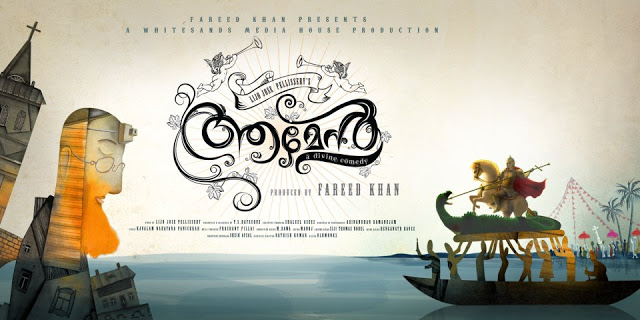
The movie ‘Amen’ must be considered as a brilliant attempt of the Director Lijo Jose Pellisseri, Script writer PS Rafeeque and Producer Fareed Khan, and I felt those people had the genuine caliber to approach cinema very seriously. Recently the movie ‘Life of Pi’ come up with the concept of Magical Realism, it gave focus to ‘Belief system, love, human-nature relationship, etc.’, but the movie ‘Amen’ discussed about social fragmentations and hardcore reality. The podium of the movie is the church controlled Syrian Christian village and it’s innocent people. The autocratic church set-up believes that every people of the village should continue their life under the shadow of church driven orthodoxy. Moreover the Village Kumaramkari’s and its forefathers took ‘band music’ as its soul for a long time and ‘Gee Vargese Band’ team is being sponsored by the church in recent years. But the constant failure of band team in various competitions Made struggle for the people who live with it. One more struggle happens in parallel, outside the boundary of the band team. The clarinet player Solomon (-Fahad Faazil Presented the character- Son of the renowned clarinet player esthappan, who is no more) finds difficulties to get along with his graced talent of clarinet playing. He is chucked out of the church band, because he unable to play the clarinet before the public except his lover Sosanna (Swathi Reddy). These parallel struggle moves till the end in a common pace and both overcome the problems in the end as well.
 “Social system needs to be developed from the scratch that is something what educated through the movie. In Indian socio-cultural system, the religion and cast never become old but their thoughts will definitely. The democratic freedom will never be agreed inside the structure. The two well-known religious practices such as Christianity and Islamism has its own richness with its social commitment, at the same time Huge amount of conservatives is stuck on it. Those who believe the Hinduism is a religion, who is also conservatives. Within this fragmented social setup, making a movie like ‘Amen’ is real courage.”
The movie begins with a historic mysterious storytelling about the popular devoted legend Saint Geevarghese Kumaramkari, who made an appearance before Tipu Sultan, when he and his military trying to control the church during Tipu’s monarchial ruling.
Let’s break The move into few pieces and continues the analysis:
ü  Kumaramkari’s Church
ü  Fr. Francis Vattoli
ü  Love and Innocence of the people
All these three pieces are different parts of the story and they are Interconnected in terms of Music – What I meant is Band Music. We detailed the political set up of the Kumaramkari church, but it is really valuable in the minds of the poor people. They need a place to get together; and we could see the pain and the crying of the people when the Priest Fr. Ottaplacken (Joy Mathew) decided to demolish and re-build the church. In some particular part of the Movie the whole society has needed someone to support and protect the social harmony. ‘Innocent people pray god in the struggle period’ – A young priest named Fr. Francis Vattoli (Indrajith) entered into the story – His thoughts, Perception of life, vision of society, and even understanding of the bible is entirely different from others but his heart driven by the peace and love. Fr. Vattoli never found difficulty to reach into the hearts of the common man of the village. He gets close to Solomon initially and to the French woman Michelle (Natasha Sahgal) also. Fr. Vattoli presented himself as a young gentleman and danced with Michelle at boat in their first meeting. After few meetings Fr. Vattoli become a splendid icon to Michelle, she might grow her love above the priest – seems a conventional attempt of the film-maker. Fr. Vattoli maintained a friendly relation with Michelle and he left to be a rebel into the diseased social system. (More part of the story reaches you when you watch the movie)
In the climax the Solomon led the Gee Vargese Band team and offers a magnificent success to the team from the constant failure strategy. Now the new priest Fr. Francis Vattoli will send to the Kumaramkari church to take the charge and he appears in the scene, kind of mind transitions also happens in a few people in the rural community.
Finally you will be asked by yourself, “Is the total village is a magical world? Who was the priest who appeared already?”
This Musical film has definitely generated an amazing mood for the viewers; the cinematographer Abinandhan Ramanujam’s work is real admirable. Frames (especially Sosanna’s room window) and many Camera movements violated all the conventional rules and did a lot of experiment to accumulate the real beauty in every sequence. The motion pace of the shots are also seems experimental – slow moves, jerked frames, zig-zag zoom outs – all supported well for the totality.My favorite scene in the Movie: Fr. Francis Vattoli helps Solomon and Sosanna to escape from the village on the of a church fest. Both were performing the cultural tablos in the occasion, and they try to escape from these by switching lights off. Solomon was in the costume of Jesus Christ. Unfortunately both of them caught by the relatives and Solomon beaten very badly. That scene draws symbolic into my mind and it seems how Christ badly treated before crucifixion. The shots and music provided an extra-ordinary feel in the right sequence

All must watch it and add comments here.

– Murali Margassery muralimargassery@hotmail.com

How to Read a Cinema?

Image

I heard people saying, “cinema is the medium for an entertainment.” Absolutely correct, but what does it mean ‘an entertainment’ – (it is something that amuses, pleases, or diverts especially performance or show – American Heritage Dictionary), apart from the dictionary meaning, I used see the term ‘entertainment’ can even make you cry / hurt / influence / change. But in this particular era, most of us forced to believe that, an entertainment is something, which make us to escape from the social reality. Is it so? Do you really think you will get rid of all your personal or social problems by just watching a show / film in the given 2–3 hours? Wouldn’t it await you outside the cinema hall? Sure, it will. As a person who committed to his society and constantly notices its improper functioning, you must learn to accept the truth. If you do so, you can build society better, of sure. At the same time, a silver-screen media product offers you a kind of social realistic entertainment, why would you smash it away from you rather hesitate to take it. It can always be an entertainment. For eg.,.The popular Malayalam film ‘Neelakkuyil’, a social realistic movie jointly done by P Bhaskaran and Ramu Karyatt in 1954 (Re-released in 1970’s) based on the story of Uroob (PC Kuttikrishnan). Another one was Chemmeen, the most popular romantic drama movie (Directed by Ramu Karyatt) in the same Malayalam film industry, released on 1965 based on the story of a renowned writer ‘Thakazhi Sivasankarappillai.’
When I read the history of Malayalam Cinema, I could not deny the social importance of these two special works. You know the viewers especially women used to cry like anything while watching the movie and still they rushed to the theatres to watch (Writes Kalpeta Narayanan, a film critic). The social conditions of the The state was completely grabbed into such films and that was the entertainment for the viewers even though no fun enrolled into it. Do they ever felt irritated from such a sentimental melodrama? No they didn’t. Much better works came to hit the industry later on, but the population became more and more in-sensitive, the same sentimentalism and melodrama encouraged by the viewers till Padmarajan-Bharatan era strikes. John Abraham, G Aravindan and so many film makers tried to work differently, but many of them did not noticed and accepted due to the in-sensitiveness of society. Padmarajan and Bharatan films received loads of criticism when they attempted for a revolution by denies the worshipped ‘Social Morality’, but they could clutch the attention with different treatments of romance and human-politics – it was far-far better than our so called ‘New generation cinemas’. Somewhere this in-sensitivity crawled and stick on the hearts of the audience (I told only about Malayalam cinemas but this approach stands with every cinema audience). Many film makers exposed themselves in this era and become the fertilisers for in-sensitivity. I believe people scared watching social realities inside the cinema hall and outside as well.

Here I came back to my old statement “a film which would not carry any social values, the viewer should be able to say it’s a bad film.”  This ability has gone out of the circle. I will try to pull it back to the circle, hope the readers do the same.
–      Murali Margassery
       muralimargassery@hotmail.com